Zoos or Glorified Torture Houses? A Contemporary Look and Way Forward
Nearly everyone today remembers the nostalgic experience of visiting a local zoo. Some might even recall a recent one where they spent the day admiring numerous wild beasts held within cold metal cages and sturdy wooden fences. Most of us only view the aesthetic of the zoo as a place of entertainment, recreation or observational learning: a weekend spent amongst the beasts of the wild, away from the wild. However, how many of us have pondered upon what the animals held within must feel?
In a contrast, no one can imagine being indifferently ripped from your home and being shipped to auction houses and contractors in different corners of the world, supplying thousands of zoos to live fabricated lives, only so the public can have a passing stare at you. Amidst it all, you and most other animals in the enclosure only get looked at for less than ten seconds, with the zoo only acting as a backdrop for people’s preoccupation rather than a primary interest.
Contemporary zoos claim to be conservational institutions and educational destinations, but they have a tragic and dark side — one that is left unexplored as few are concerned about the welfare of the hundreds of animals that are mercilessly piled up inside cages and enclosures.
A Brief History of Captivity
For centuries, many rulers, kings and aristocrats kept wild and exotic animals as part of their royal collection to demonstrate their power and strength. The concept of the modern zoo, however, was introduced and popularized much later in the early 19th century. These zoos, kept mostly for biological research, offered little in terms of conservation and were abhorrently cruel “live museums” with a similar procurement and exhibition procedure: as many exhibits in as little space as possible.
With time and industrialization, public interest and scientific study coincided to create purpose-built zoos that offered wider walking areas and larger cages so more people could witness the wild beasts — turning them into a viable option for commercialization as well. After all, who wouldn’t pay to see magnificent lions and rugged rhinos over their weekend?
Fueled by massive public interest and lucrative commercial benefits, zoos increased in numbers and enhanced their acquisition of animals while recreating their natural habitats with relatively less focus on their actual welfare. As a result, a plethora of urban and suburban zoos sprung up across the globe, bringing animals from all continents to a cramped lifestyle amidst their human captors.
The Reality of Modern Zoos
Amidst public pressure and an increasing call for sustainability and conservation, one expects that the modern-day zoo must be offering all the facilities that an animal could need away from its home. Some even argue that zoos offer a better chance for certain animals to survive the grim cycle of an increasingly threatened wildlife. But how many zoos actually live up to the standard?
While many zoos strive to replicate an animal’s natural habitat, experts like Marc Bekoff, an American biologist and ecologist, believe that a life of captivity in a zoo is only a shadow of an animal’s life in the wild, leading to numerous adverse physical and mental health outcomes that are seldom studied and almost never acknowledged.
For most animals that exhibit emotions, being removed from their habitat comes at the loss of social relationships and companionships as well. They are then forced to grow alone in dark and cold enclosures where they have practically nothing to do and nowhere to go.
In the case of urban or poorly developed zoos — like the infamous “death zoo” in Indonesia — there are far more threats to animal life and health. Loose cables strangle lions, and recurrent skin and internal infections make death just the tip of the iceberg. Unfortunately, similar trends are seen across developed countries as well: hundreds of animals lose their lives at a staggering death rate of 12% per year.
One is left to wonder: one of the strictest punishments reserved for criminals is life imprisonment, depriving them of social contact and limiting them to a few square metres of living space. Are the animals kept in zoos not being subjected to the same — all without a blemish of blame?
Animal Welfare vs. Animal Rights
To understand the legal perspectives of zoos and their consistent story of mistreatment, it is far more important to understand the difference between animal welfarism and animal rights — both of which carry substantial impact in their outcomes and ultimate goals.
Animal welfare represents a belief that animals, by their unique relationship with humans, deserve just and humane treatment, with humans sharing a duty to ensure their respect and due protection.
Animal rights (or non-human rights) demand that animals must be considered legal persons and not objects, things, or property.
In the context of zoos, what we need is far more welfare before we can move to rights. This is evident from the fact that even zoos falling under the protective ambit of the World Association of Zoos and Aquariums suffer from similar instances of abuse and mistreatment. However, such an argument must never hinder the urgent need for non-human rights as well.
Landmark Cases in Animal Rights Jurisprudence
Kavaan — The World’s Loneliest Elephant
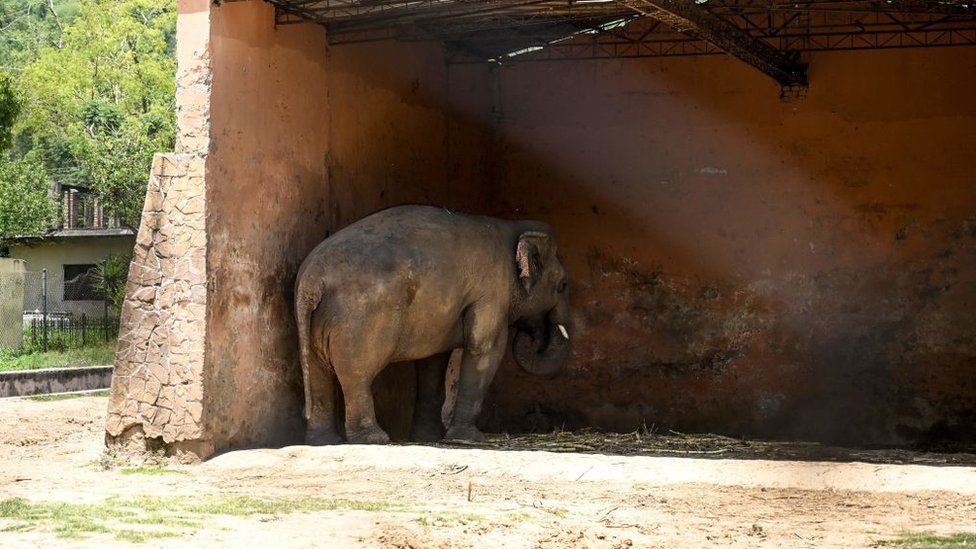
The story of Kavaan became a harbinger of impactful animal rights jurisprudence when he was set free after decades of captivity in a zoo in Pakistan. Kavaan’s suffering, covered in detail by many animal rights agencies, spells a depressing tale that is synonymous with the lives of almost all zoo animals.
The story delivered an extraordinary legal precedent, recognizing the personhood and non-human rights of animals. The precedent, through its judicial decree relocating Kavaan to a sanctuary in Cambodia, also hints at the necessity of regulation and intervention — both of which are lacking in the domain of animal rights worldwide.
“Administration of justice and upholding of rights of animals must move beyond voluntary standards and be taken under strict regulation to be effective.”
Happy the Elephant
On the other end, Happy the Elephant’s cause made history when the New York Court of Appeals agreed to hear her habeas corpus case, requiring the elephant’s presence in the Court — the first of its kind. Without a doubt, animal rights jurisprudence is moving toward a time where animals will be legal persons, if not humans, and have their voices heard.
The Path Forward
There is no simple and unilateral solution for reducing the mistreatment and failures of animal welfare all around the globe. The laws that currently exist are inadequate and require stricter implementation and regulation, leaving much to be desired.
-
Shut down dangerous zoos with extreme prejudice. All “good” zoos must also be held accountable for promoting sustainable animal welfare. They should be turned into sanctuaries with fewer captive animals and more populations of well-preserved animals in their natural habitats.
-
Expand legal jurisprudence to involve animal rights, especially when it comes to unfair treatment and gross abuse. It is important to adopt the principle of compassionate conservation and abolish the zoo mentality.
-
Apply the science of cognition and emotion to animals as well. Animals must do more than just eat, sleep, and entertain visitors — they need to acknowledge their identities as wild and untamed beasts to remain healthy, dynamic, and cognitively vibrant.
In a rapidly changing world, it is time for humans to accept the damage they have done to the lives of these animals. After all, if we hadn’t poached their numbers down or deprived them of their habitats, why would they end up in our zoos?
Sources & Further Reading
- Originally published on IVolunteer International — Read the original article
- World Association of Zoos and Aquariums — Global zoo industry standards and conservation initiatives
- Marc Bekoff — Animal Emotions — Research on animal cognition, emotions, and ethical treatment
- Four Paws — Kavaan Relocation — Organization involved in Kavaan’s rescue and sanctuary relocation
- World Animal Protection — Global advocacy for animal welfare in zoos and tourism
- WAZA Conservation — Zoo conservation programs and species preservation efforts